Brand strategy
Discovery, trust and the future of beauty: three takeaways from British Beauty Week 2026.

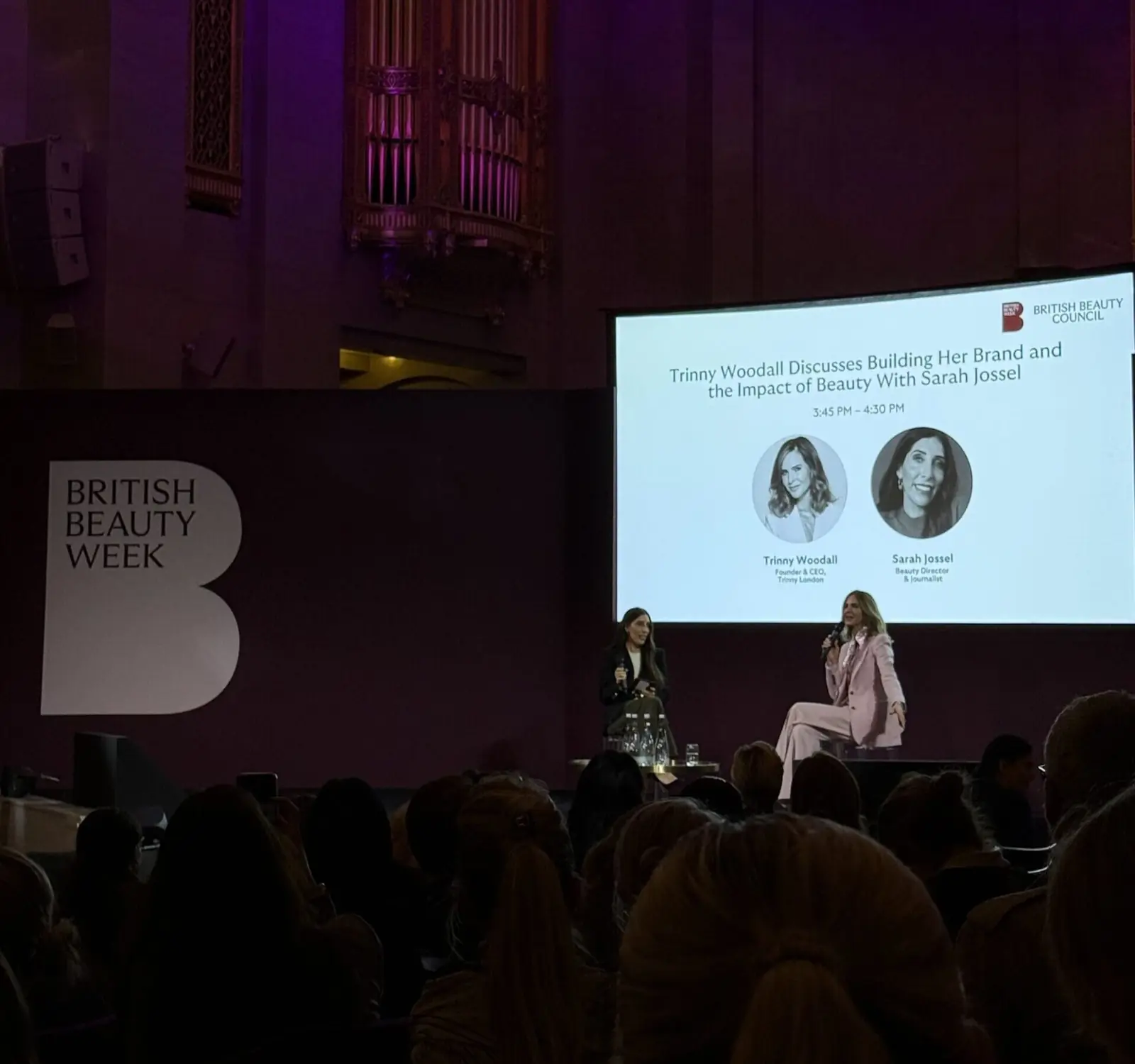
Social media is shaping what consumers want. AI is influencing what they buy. And online communities are changing whose opinions they trust. But for all the changes in beauty discovery, there's still something consumers want: to get their hands on products and try them for themselves.
That was a recurring theme at this year's British Beauty Week, hosted by the British Beauty Council, where industry leaders explored the changing relationship between beauty, culture and commerce.
Here are three takeaways that beauty brands can't afford to ignore in 2027.
1. Discovery starts online, but people still want to try IRL
Beauty launches are increasingly social-first, and consumers are picking up trends from all over the world. But seeing a product on a screen isn't the same as trying it.
As Grace Vernon highlighted, people still want to get their hands on products and experience them for themselves.
Hannah Walker also pointed out that Reddit's algorithm is driven by real people sharing real experiences, reinforcing the importance of authentic consumer voices and product trial.
2. Trust is the real currency
Consumers have access to more information than ever, but as Dr Bibi Ghalaie pointed out, access to information doesn't necessarily mean being educated. And when it comes to AI recommendations, who's accountable for the advice being given?
So where does trust come from? Marina Mansour's advice was simple: don't overlook the comment section. That's where honest conversations and real consumer experiences are shared.
As new technologies reshape product discovery, the voices of real consumers remain incredibly valuable.
3. Know who your customer actually is
Your customer might not be who or where you think.
Sienna Piccioni encouraged brands to pay attention to non-beauty fandoms and communities. With consumer interests becoming increasingly fluid, your next shopper could be found well outside the beauty aisle.
Rochelle Humes shared another interesting example: the person buying baby products is often a grandparent, rather than a parent.
And Trinny Woodall summed it up perfectly: everyone in the business needs to know the customer.
It's a theme that also emerged in our recent research with UNiDAYS Sample Society, exploring how Gen Z consumers discover, experience and purchase beauty products. Explore the findings in our Gen Z beauty playbook.
Discovery changes, human influence doesn’t
Discovery might start on a screen, but it's real people and real product experiences that help turn interest into confidence.
As beauty brands navigate new channels, communities and consumer behaviours, getting products into the right hands remains as relevant as ever.
Ready to turn consumer interest into measurable commercial impact? Let's talk.